Wie man Kunststoff-Brillengestelle ohne Weißwerden, Kratzer oder Verformung poliert
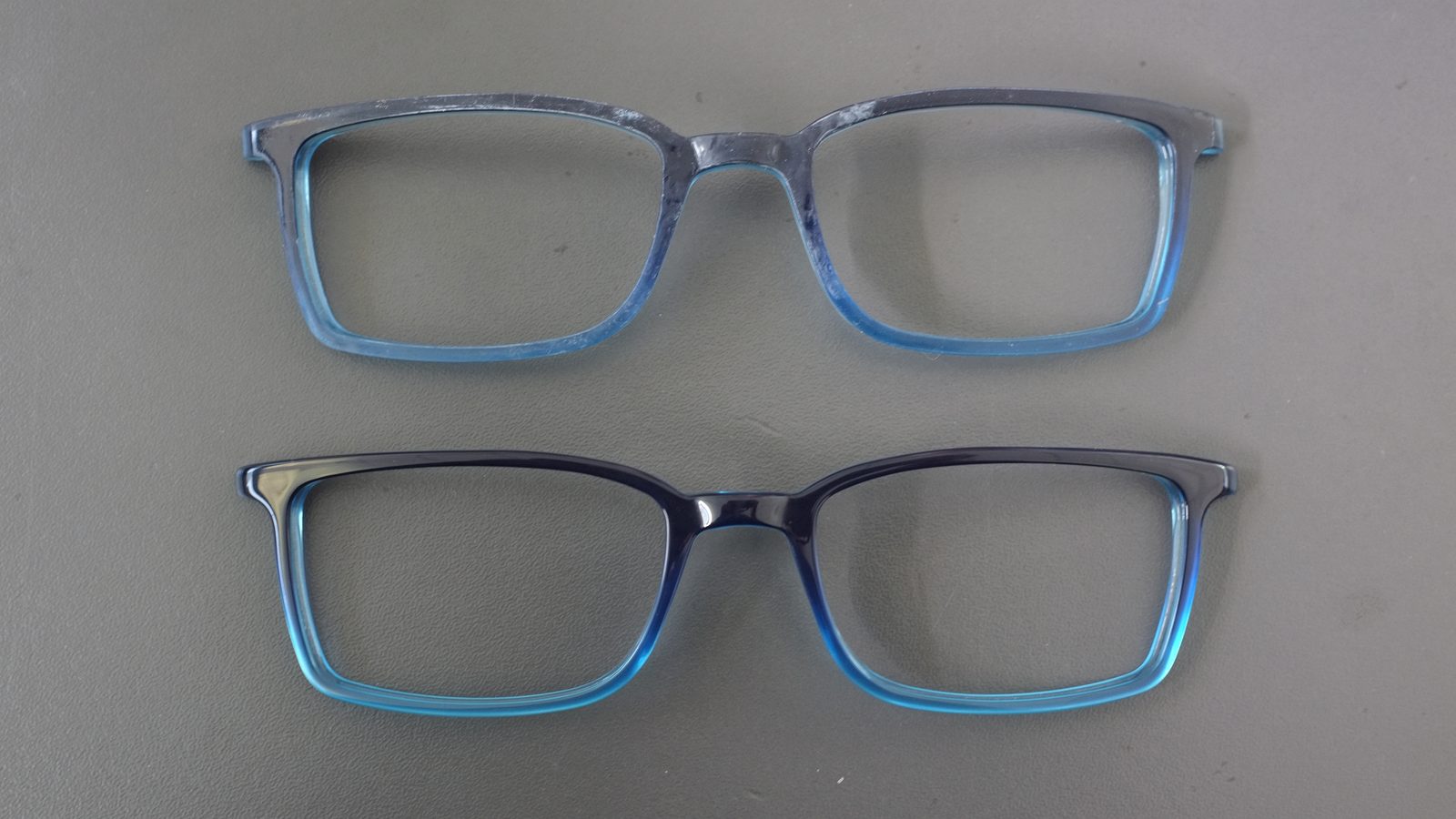
Kunststoff- und Acetat-Brillengestelle sind schwer in Chargen zu polieren, da die Oberfläche glänzend und glatt werden muss, ohne Weißwerden, tiefe Kratzer, abgerundete Ecken oder hitzebedingte Verformung. Ein zu aggressiver Prozess kann die Form des Gestells beschädigen. Ein zu schwacher Prozess hinterlässt Formmarken, Schleifspuren, matte Kanten oder trübe Bereiche um Steg und Bügel.
Dieser Leitfaden erklärt, wie man häufige Polierprobleme bei Kunststoff-Brillengestellen diagnostiziert und wie man einen stabileren Finish-Prozess für Fronten, Bügel, Ecken und sichtbare Außenflächen aufbaut.
Warum Kunststoff-Brillengestelle leicht beschädigt werden
Kunststoffrahmenmaterialien wie Acetat, PC, TR-Kunststoffe und andere dekorative Kunststoffe können bei korrektem Polieren hochwertig wirken, sind jedoch empfindlich gegenüber Hitze, Stoßbelastung und zu starkem Abtrag. Die Oberfläche kann trüb oder weiß werden, wenn der Poliervorgang zu trocken, zu heiß, zu grob oder zu lang ist.
Brillengestelle haben außerdem viele schwierige Bereiche: den Steg, die Linsennut, den Scharnierbereich, die Bügelverbindung, innere Ecken und dünne Kantenübergänge. Diese Bereiche können Medien festhalten, ungleichmäßigen Kontakt erhalten oder abgerundet werden, bevor die große sichtbare Oberfläche glänzend wird.
Beginnen Sie mit der Identifikation des Defekts
Lösen Sie nicht jedes Kunststoff-Polierproblem durch Verlängerung der Zeit. Entscheiden Sie zuerst, ob es sich um ein Schneid-, Hitze-, Medien- oder Beladeproblem handelt.
| Defekt | Wahrscheinliche Ursache | Was zu prüfen ist | Empfohlene Anpassung |
|---|---|---|---|
| Weiße oder trübe Oberfläche | Übermäßige Reibung, trockener Kontakt oder ungeeignetes Medium | Medientyp, Feuchtigkeit, Compound, Zykluszeit | Sanftere Medien verwenden und Wärme- bzw. Reibungsaufbau reduzieren |
| Feine Kratzer bleiben sichtbar | Vorherige Schleifspuren zu tief oder Medium zu grob | Vorbereitung der Oberfläche und Medienkörnung | Kontrolliertes Glätten vor der Endpolitur hinzufügen |
| Rahmenecken werden abgerundet | Zykluszeit zu lang oder Kontakt zu aggressiv | Eckenradius, Kantendefinition, Bearbeitungszeit | Schneidphase verkürzen und Endpolitur trennen |
| Rahmenform verändert sich oder verzieht sich | Hitze, Druck oder übermäßige Belastung der Charge | Maschinenbewegung, Beladungsgröße, Trocknungstemperatur | Wärmeeinwirkung reduzieren und starken Teile-auf-Teile-Kontakt vermeiden |
| Steg- oder Scharnierbereiche bleiben matt | Medium erreicht enge oder vertiefte Bereiche nicht | Mediengröße, Linsennut, Scharniergeometrie | Kleinere oder besser geformte Medien testen, ohne Verklemmen zu verursachen |
Verwenden Sie einen sanfteren Prozess als Metallentgraten
Kunststoff-Brillengestelle sollten nicht wie Edelstahl- oder Druckguss-Teile behandelt werden. Stark schneidende Medien können Material schnell abtragen, aber auch Trübungen, Kantenverlust oder Verformung verursachen. Bei Kunststoffoberflächen sollte der Prozess auf kontrolliertes Glätten und schrittweise Glanzsteigerung ausgerichtet sein.
Je nach Material- und Oberflächenzustand, Kunststoffmedien, ausgewählte weiche Finish-Medien oder Trockenfinish-Medien können geeigneter sein als aggressive Schneidmedien. Die endgültige Wahl hängt vom Rahmenmaterial, der Tiefe der Schleifspuren, den Eckanforderungen und dem angestrebten Glanzgrad ab.
Wärme und Reibung kontrollieren
Wärme ist eines der größten Risiken beim Polieren von Kunststoffrahmen. Selbst wenn der Rahmen nicht sichtbar schmilzt, kann übermäßige Reibung die Oberfläche erweichen, trübe Bereiche erzeugen oder dazu führen, dass scharfe Details abgerundet wirken. Trockenpolieren, lange Zykluszeiten und dichte Beladung können die Temperatur erhöhen.
Wenn nach dem Prozess Weißwerden auftritt, prüfen Sie, ob die Teile überhitzt oder zu aggressiv gerieben wurden. Ein kürzerer Prozess mit besserer Medienauswahl ist oft sicherer als ein langer Zyklus mit starker Reibung.
Teile-auf-Teile-Schäden vermeiden
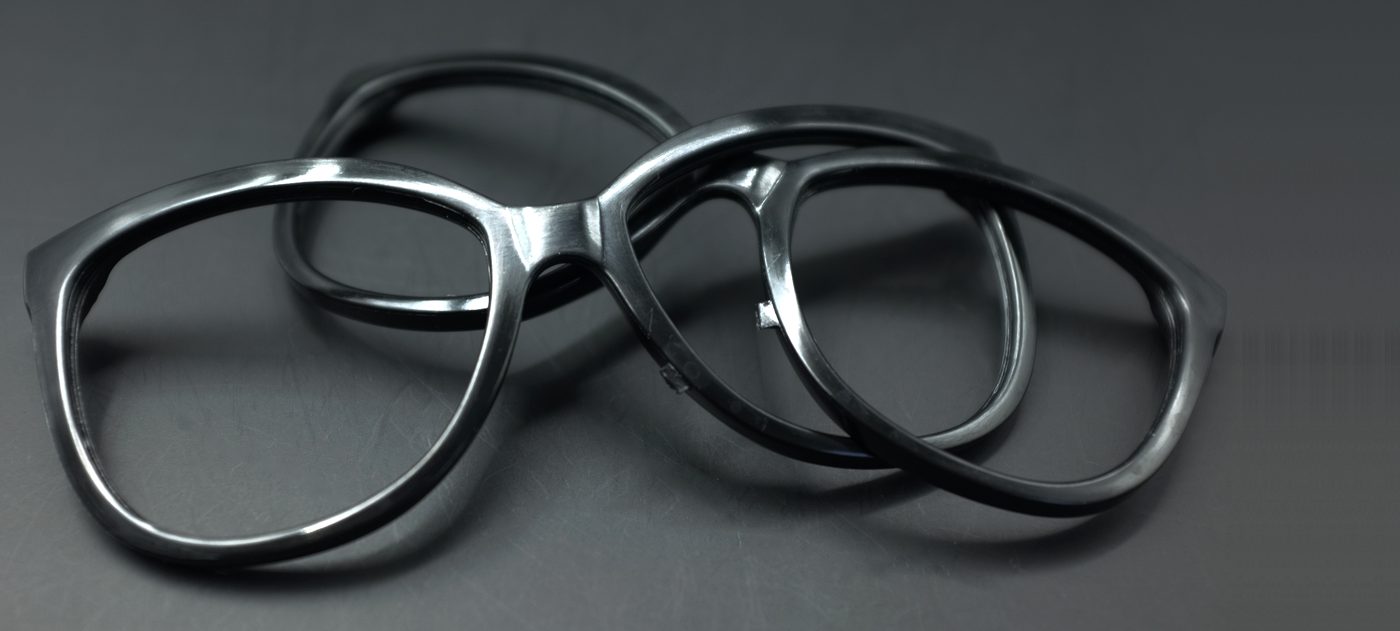
Brillengestelle sind leicht, dünn und leicht zu verkratzen. Wenn zu viele Rahmen gleichzeitig geladen werden, können sie während der Bearbeitung aneinander reiben oder stoßen. Dadurch entstehen neue Spuren, die manuell entfernt werden müssen.
Das Beladungsverhältnis ist ebenso wichtig wie die Medienauswahl. Die Teile sollten von ausreichend Medium gestützt werden, damit die Rahmen nicht übereinander liegen, sich verdrehen oder direkt aneinander reiben. Bei manchen Rahmendesigns kann eine sanftere Maschinenbewegung oder eine spezielle Vorrichtungsmethode erforderlich sein.
Maschine nach Rahmenform auswählen
Eine Standard-Vibrations-Finishing-Maschinekann für viele kleine Kunststoffkomponenten verwendet werden, aber Brillengestelle erfordern möglicherweise geringere Schlagbelastung und bessere Kontrolle. Für empfindliche Rahmen kann ein langsameres Gleitschleifen oder ein spezieller Kunststoff-Polierprozess Kratzer und Verformungen reduzieren.
Wenn die Rahmen lang, dünn oder leicht verhedderbar sind, ist die entscheidende Frage nicht nur die Maschinenkapazität. Sie müssen testen, ob sich die Rahmen frei bewegen, getrennt bleiben und gleichmäßigen Kontakt um Steg, Bügel und Linsennuten erhalten.
Compound oder Trockenmedien sorgfältig einsetzen
Bei der Nassbearbeitung, Finish-Compoundskönnen Schmierung, Reinigung und Oberflächenschutz unterstützen. Bei der Trockenbearbeitung muss das Medium sauber und für die Kunststoffoberfläche geeignet sein. Verschmutztes oder abgenutztes Medium kann Rückstände übertragen und ungleichmäßigen Glanz erzeugen.
Wenn der Rahmen in einigen Bereichen glänzend, in anderen jedoch trüb wirkt, prüfen Sie Medienreinheit, Compound-Rückstände, Trocknungsmethode und ob enge Bereiche Staub oder Schlamm einschließen.
Wann ein zweistufiger Prozess erforderlich ist
Viele Kunststoff-Brillengestelle benötigen mindestens zwei Stufen. Ein Schritt entfernt Schleif- oder Formspuren. Ein weiterer Schritt verbessert Glanz und Oberflächengleichmäßigkeit. Der Versuch, beides in einem starken Prozess zu erledigen, verursacht oft Weißwerden oder Kantenverlust.
- Stufe 1:kontrolliertes Glätten zur Entfernung sichtbarer Schleifspuren und Oberflächenunebenheiten.
- Stufe 2: sanftes Polieren zur Verbesserung des Glanzes ohne Überhitzen des Rahmens.
- Endkontrolle: Stegbereiche, Ecken, Linsennuten und Bügelverbindungsstellen.
Häufige Fehler, die zu vermeiden sind
- Verwendung von Entgratungslogik für Metall auf Kunststoffrahmen.
- Erhöhung der Zykluszeit, bis die Oberfläche weiß wird oder Kanten ihre Definition verlieren.
- Ignorieren von Wärmeentwicklung bei trockener oder hochreibender Bearbeitung.
- Zu viele Rahmen gleichzeitig laden und Kratzer durch Kontakt von Teil zu Teil verursachen.
- Auswahl von Medien, die Linsennuten oder Stegecken nicht erreichen können.
- Überspringen der Endkontrolle unter gleichmäßiger Beleuchtung.
Verwandte Lösungen
Wenn Sie die Politur von Kunststoffbrillenfassungen verbessern, können Ihnen diese Seiten helfen, geeignete Finishing-Medien, Compounds und Maschinenoptionen zu vergleichen:
Benötigen Sie einen sichereren Polierprozess für Kunststoffrahmen?
Senden Sie uns Ihr Rahmenmaterial, Fotos, den aktuellen Oberflächenzustand, die Tiefe der Schleifspuren, das Weißwerden-Problem, den Zielglanz und die Chargenmenge. JINTAIJIN kann prüfen, ob Ihr Prozess andere Medien, kürzere Zykluszeiten, eine bessere Beladungssteuerung oder eine zweistufige Polierroute benötigt.
Kontaktieren Sie unser Finishing-Team für Unterstützung beim Polieren von Kunststoffbrillenfassungen
 +86-592-2381506


 IPv6-Netzwerk unterstützt