When precision shafts, CNC-milled linear rails, hydraulic rods, and structural extrusions exceed the turning radius of a circular bowl, a linear vibratory trough machine becomes essential for uniform, nick-free surface conditioning. Trying to force long workpieces around a curved bowl center dome causes end-on-end jamming, bruised edges, and uneven burr removal along the shaft span. SurfacePolish (Xiamen Jin Tai Jin Grinding Technology Co.,Ltd.) applies 200,000+ verified finishing trials to configure L1300, L1500, and L1800 straight-tub vibratory finishing machines with removable polyurethane compartment dividers so long components finish cleanly without colliding.
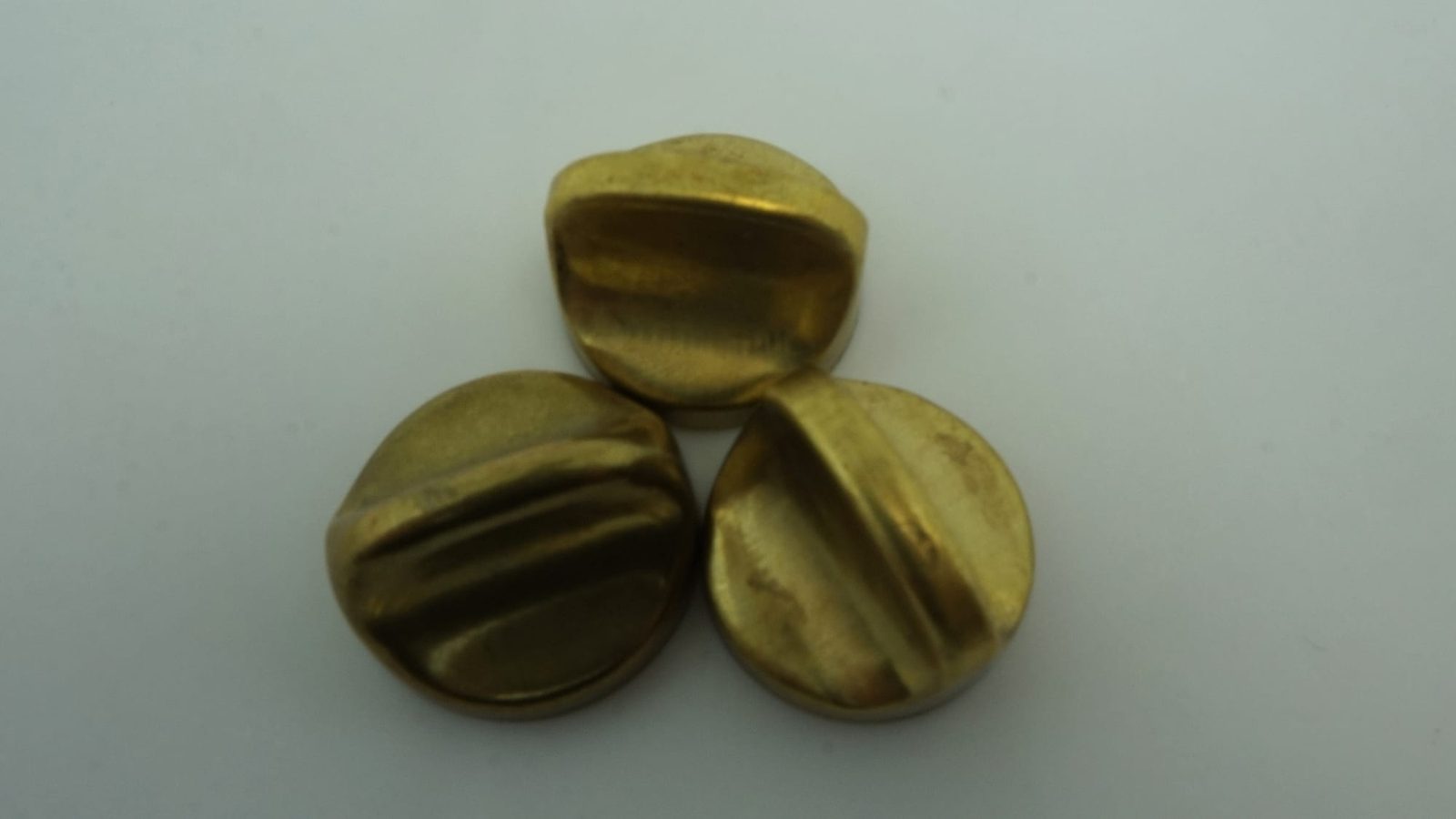
Why Long Shafts, Extrusions & Brackets Need a Linear Vibratory Trough Machine
Curved-wall vibratory bowls rely on toroidal spiral motion around a central column, which limits maximum part length to a fraction of channel width. A linear vibratory trough machine replaces circular travel with an unobstructed straight U-shaped tub, letting long workpieces roll gently in place inside a deep abrasive bed.
Eliminating Center-Dome Jamming on Long Machined Rails & Broaches
Long spline shafts, gun barrels, linear guide rails, and extruded aluminum profiles bridge across curved bowl walls as soon as they turn sideways. Inside an L1300, L1500, or L1800 straight trough, parts align naturally parallel to the long side walls and experience uniform cross-sectional media shear from end to end.
Stopping Part-on-Part Collision with Removable Compartment Dividers
Heavy turned shafts and sharp-edged laser-cut brackets collide violently if allowed to drift freely inside an open tub. Sliding removable polyurethane-coated divider plates into slotted trough ribs partitions the chamber into isolated cells, letting operators finish one or two heavy parts per compartment with zero inter-part nicking.
Maintaining Uniform Edge Break & Surface Finish Along the Full Part Span
Directional CNC milling or centerless grinding leaves spiral feed marks along long bars that look streaky after anodizing or hard-chrome plating. Continuous perpendicular media roll inside a straight vibratory finishing machine trough blends machining cusps evenly across every millimeter of length.
| Long-Part Profile | Primary Finishing Challenge | Recommended SurfacePolish Trough | Media & Compound Pairing | Compartment & Handling Setup |
|---|---|---|---|---|
Long 6061 aluminum extrusions |
Soft-alloy ding risk & tool lines | L1500 / L1800 straight trough |
Resin plastic media cones + HM3 |
Divided polyurethane lanes + hoist tray |
| Hardened spline shafts & broaches | Tough milling burrs & spline edge break | L1300 / L1500 straight trough |
Medium-cut ceramic media + LC10 |
Individual padded lanes + 35A/70A dry |
| Stamped structural channels & rails | Sharp sheared burrs & weld scale | L1500 / L1800 straight trough |
Fast-cut ceramic media + MC8/LC10 |
Open or dual-lane tub + spray rinse |
| Firearms barrels & bone-fixation rods | Mirror-ready smoothness without bending | L1300 trough or hang-barrel line |
Fine plastic media / high-alumina + JTJ60 |
Isolated padded cells + soft unloading |
| Long stainless architectural bars | Weld tint & directional polish streaks | L1800 divided trough |
Ceramic media (JTJ20) then JTJ50 |
Stainless-dedicated tub + clean rinse |
Sizing L1300, L1500 & L1800 Troughs by Part Envelope & Batch Weight
Choosing between L1300, L1500, and L1800 linear chambers depends directly on maximum part length, cross-sectional width, and required polyurethane divider clearance. Leaving adequate end clearance ensures media circulates freely around bar tips rather than packing dead against end walls.

Matching Trough Length & Width to Maximum Diagonal Part Envelope
Always verify that your longest shaft or extrusion retains comfortable clearance from both polyurethane end plates and adjacent lane dividers. If a part touches the end wall tightly, toroidal roll stalls at the tips, leaving rough burr shadows at bolt holes near bar ends.
Configuring Single Open Chambers vs. Multi-Lane Divider Grids
When finishing high-volume short-to-medium weldments that still bridge in curved bowls, running an open L1300 or L1500 tub maximizes fill volume. Conversely, when running expensive precision aerospace spars, hydraulic piston rods, or mirror-prepped aluminum trim bars, installing four to eight removable divider plates turns one trough into a multi-cell protective fixture without rigid clamping marks.
Comparing Straight Troughs Against ZL Bowls & ZXL Straight-Wall Units
For compact gears, springs, and small brackets that turn easily inside circular channels, a ZL vibratory bowl with an integrated spiral separation ramp offers faster automated unloading. Reserve L1300–L1800 linear troughs specifically for long, heavy, or collision-sensitive geometries—and pair them with external screeners or overhead hoists for clean batch discharge.
Selecting Plastic Media Cones vs. Ceramic Media for Long Parts
Because long bars carry higher individual inertia than small stampings, media density and geometry must cushion part weight while still shearing burrs cleanly along slots and keyways.
Resin Plastic Media Cones & Pyramids for Aluminum Extrusions & Brass Bars
Soft aluminum extrusions, copper busbars, and brass trim strips suffer rapid surface peening if tumbled in heavy ceramic stones. Lightweight resin-bonded plastic media cones cushion heavy bar inertia gently, leveling extrusion die lines and milling stepovers cleanly with HM3 or JTJ60 compound ahead of clear or black anodizing.
Aluminum-Oxide Ceramic Media for Steel Shafts, Rails & Stainless Channels
Hardened alloy steel shafts, 304 stainless structural channels, and laser-cut steel rails demand dense ceramic media paired with LC10 or JTJ20 chemistry to shear tough burrs economically. Always verify keyways, lightening slots, and tapped mounting holes against non-lodging media sizing geometry so triangles never jam inside long internal grooves.
Dry Corncob & Walnut Shell (8#-80#) for Post-Dry Luster on Long Bars
Do not load dry corncob or walnut shell (8#-80#) into a linear trough expecting to remove machining ridges or laser burrs. Use dry organic media strictly as a heated secondary moisture-absorption and luster-buffing stage after wet leveling and rinsing.
Compound Flow, Ultrasonic Pre-Wash & Drying for Straight Troughs
Long straight tubs rely on balanced multi-point spray manifolds and steady drainage to prevent muddy slurry from settling in corners. Proper tumbling compounds dosing keeps cutting speed uniform along the entire length of the trough.

Pre-Cleaning Coolant & Drawing Oil in Ultrasonic Cleaner Tanks
Extruded bars and gun-drilled shafts frequently carry heavy drawing lubricants and machining coolants that contaminate long trough media beds rapidly. Pre-washing oily incoming parts in an ultrasonic cleaner bath keeps LC10 and HM3 chemistry clean and prevents media glazing.
Multi-Nozzle Flow-Through LC10, MC8 & HM3 Distribution
Because an L1500 or L1800 trough spans a wide horizontal footprint, a single corner drip point leaves the far end starved of fresh compound. Installing a multi-nozzle spray bar fed by calibrated peristaltic dosing pumps distributes LC10 (deburring), MC8 (descaling), or HM3 (brightening) evenly across every lane—while monitoring water hardness in mass finishing prevents mineral film and excess foam.
Handling Rinsing & Drying for Parts Exceeding Spin-Dryer Baskets
Short-to-medium shafts fit cleanly inside 35A or 70A centrifugal spin dryers after trough unloading. For extra-long rails and extrusions exceeding spin-dryer basket diameters, pair hot clean-water spray rinsing at the trough discharge with clean heated air knives or heated corncob trough passes so zero flash rust or water spots form.
Loading, Unloading & Separation Workflows on Linear Troughs
Unlike circular bowls with built-in spiral ramps, a linear vibratory trough machine uses end-door dumping, overhead hoist baskets, or manual lane picking tailored to heavy long workpieces.

Overhead Hoist Racks & Padded Lifting Slings for Heavy Shafts
Heavy hydraulic rods, spline shafts, and wide cast plates benefit from simple coated wire-mesh or nylon-sling cradles lowered directly into divided lanes. At cycle completion, the overhead hoist lifts the cradle smoothly out of the vibrating media bed, letting loose stones drop straight back into the tub without scraping finished surfaces.
End-Gate Discharge onto External Two-Deck Vibratory Screeners
When running batches of medium-length brackets or heavy stamped rails inside an open L1300 or L1500 trough, opening the bottom or end discharge door empties parts and media cleanly onto an external two-deck vibratory screener. Parts walk out into padded transfer totes while full-size stones return to a media hopper and fractured slivers drop into a lower catch bin.
Maintaining Media Bed Depth & Polyurethane Rib Integrity
As stones wear down, bed height drops and heavy shafts sink toward the bottom polyurethane floor, risking impact bruising. Enforcing regular media screening and replenishment alongside weekly inspections of divider slots and tub ribs keeps cushioning depth uniform across every shift.
| Trough Operation Issue | Root Cause on Shop Floor | Fast Corrective Action | Long-Term Cell Standard |
|---|---|---|---|
| Bruised ends on long shafts | Missing dividers or tight end clearance | Install PU lane dividers; verify tub length | Lock 1–2 parts per divided cell |
| Uneven finish from left to right | Single-point compound drip starvation | Fit multi-nozzle spray bar across trough | Calibrate peristaltic flow per lane |
| Stones wedged in long keyways | Undersized triangle or worn media fragments | Screen out worn stones; resize via non-lodging | Audit media size against max slot width |
| Flash rust on freshly unloaded bars | Slow air-drying after wet trough rinse | Hot rinse + 35A/70A spin or cob dry |
Mandate immediate post-rinse drying |
Optimizing Eccentric Amplitude, Alloy Segregation & Finish Verification
Fine-tuning drive amplitude and maintaining strict alloy isolation let shops get maximum versatility from their L1300–L1800 investment.
Adjusting Eccentric Weights for Gentle Extrusion Smoothing vs. Heavy Deburring
Increasing eccentric weight angle drives deeper toroidal turnover inside the straight tub, accelerating burr removal on thick carbon steel rails and 304 stainless channels. Dialing amplitude down gently cushions thin-walled aluminum extrusions and delicate precision broaches while still erasing feed marks cleanly.
Dedicating Separate Media Hoppers for Aluminum vs. Carbon Steel
Never reuse ceramic media or plastic media beds between carbon steel bars and 6061 aluminum or stainless extrusions. Rolling media hoppers beside the trough let operators swap clean, segregated media charges—or run dedicated ferrous and non-ferrous troughs—without risking galvanic rust blooms.
Verifying Surface Uniformity & Integrating OBD or Rotary Barrel Stages
Audit first-article shafts and extrusions along multiple length zones against surface finish conversion chart targets. Where long bars also contain deep blind cross-holes or require higher cosmetic luster afterward, combine straight-trough leveling with secondary OBD magnetic polishing or rotary barrel tumbler workflows; see our barrel finishing process and isotropic finishing guides for multi-stage line planning.
Troubleshooting Common Linear Trough Finishing Defects
Catching early process drift prevents scrap across high-value long machined components.
Resolving Dead Zones Along Trough End Walls
If parts near the front or rear end plates show lighter deburring than center sections, either media fill height has dropped too low or part length leaves insufficient turning gap at the ends. Replenish media to full operating crown height and center long bars inside divided lanes with soft end bumpers if needed.
Eliminating Longitudinal Scratches During Manual Lane Unloading
Pulling heavy mirror-prepped aluminum extrusions sideways across abrasive stones while the motor is switched off drags sharp grit across finished faces. Always keep the trough vibrating at low idle while lifting parts vertically out of the bed so fluidized media parts effortlessly around the workpiece.
Stopping Foam Overflow in Open-Top Linear Chambers
Over-dosing LC10 or HM3 into soft rinse water creates thick foam pillows that spill over straight-tub rims and float lightweight plastic media cones. Trim peristaltic pump speed slightly and verify steady drain flow so the media bed stays clean, wet, and foam-free.
Auditing Divider Slot Wear & Noise Control Covers
Inspect polyurethane divider slots monthly for swelling or loose fit, and consider optional acoustic lids when L1500 or L1800 troughs operate near CNC inspection benches. Clean mechanical upkeep preserves quiet, predictable finishing across years of service.
Balancing Batch Throughput & Media Life on Divided Straight Troughs
Running L1300, L1500, or L1800 straight troughs with removable polyurethane lane dividers trades a modest fraction of raw chamber volume for complete collision protection on precision shafts and long aluminum extrusions. Over multi-shift operation, dividing long bars into isolated cells eliminates scrap from edge bruising and prevents bent shafts from jamming against end walls. Scheduling routine media screening and replenishment alongside weekly divider-slot inspections ensures consistent tumbling bed height and uniform isotropic finish from bar end to bar end.
Integrating Ultrasonic Degreasing & Multi-Stage Brightening Around Troughs
Long CNC-machined spline shafts, hydraulic piston rods, and extruded structural rails frequently carry heavy cutting oils or drawing wax that glaze abrasive stones rapidly. Passing raw bars through a pre-wash ultrasonic cleaner keeps plastic media cones and ceramic media sharp, while stepping from LC10 deburring into HM3 or JTJ50 brightening delivers uniform coating-ready clarity.
Verifying Straightness, Edge Radius & Surface Finish Across Bar Lengths
Before releasing long-part production lots to anodizing, hard-chrome plating, or assembly, inspect sample bars at both ends and mid-span against surface finish conversion chart targets. Confirming uniform burr removal across keyways and end holes validates both trough divider spacing and flow-through spray manifold coverage.
Planning Hoist Ergonomics, Floor Drainage & Acoustic Controls
Because long shafts and heavy structural weldments exceed safe manual lifting limits, positioning a light jib crane or overhead hoist directly above your L1500 or L1800 trough streamlines lane loading and cushioned unloading. Pairing floor settling tanks with optional sound covers keeps surrounding machining bays clean, dry, and quiet.
Standardizing Long-Part Setup Cards & Media Hopper Segregation
Documenting exact lane count, divider spacing, media fill crown height, and peristaltic LC10/HM3 dosing rates per part number prevents operator guesswork during shift handoffs. Keeping dedicated wheeled hoppers for aluminum-only plastic media versus ferrous ceramic media eliminates cross-contamination rust spots completely.
Multi-Shift Maintenance, Slurry Control & Line Economics
Sustaining reliable performance on a linear vibratory trough machine across high-volume extrusion and shaft production depends on keeping compound drains clear, polyurethane divider slots snug, and media bed heights properly topped up.
Routing Multi-Baffle Settling Tanks Beneath Trough Drains
Because L1300, L1500, and L1800 straight troughs run continuous flow-through LC10 and HM3 rinsing across long work beds, heavy metallic and resin fines accumulate rapidly in floor drains unless intercepted. Routing discharge hoses through a multi-baffle settling tank traps suspended sediment cleanly while protecting municipal sewer lines.
Calculating Cost-Per-Bar Savings Over Manual Belt & Hand Deburring
Replacing manual file and flap-wheel stations with a divided L1500 or L1800 trough eliminates operator fatigue, cuts abrasive belt spend, and delivers consistent edge break along every slot and keyway. Even when accounting for plastic media or ceramic media replenishment, automated linear finishing typically delivers rapid payback on medium-to-long bar programs.
Inspecting Eccentric Bearings, Drain Plugs & Divider Ribs Weekly
Weekly preventive checks of eccentric drive lubrication, polyurethane drain screen cleanliness, and divider-rib wear keep long-part tumbling predictable across shifts. Keeping spare polyurethane divider plates staged beside the trough ensures zero downtime if heavy shafts gouge a rib.
Coordinating Post-Trough Passivation, Anodizing & Inspection Handoffs
Clean, dry, HM3-brightened aluminum extrusions and LC10-deburred steel shafts move smoothly straight into downstream anodizing racks or hard-chrome plating tanks without extra manual wipe-downs, accelerating overall plant throughput.
Selecting Between Open-Bed Troughs & Modular Divided Lanes
High-mix fabrication plants often run open L1300 or L1500 troughs during high-volume stamped bracket shifts, then drop in four to six polyurethane lane dividers within minutes when long precision shafts or anodized aluminum extrusions arrive on the schedule. That modular flexibility gives shops true multi-geometry coverage without buying separate machines.
Auditing Long-Term Polyurethane Rib & End-Plate Wear
Because long shafts concentrate sliding contact along end-wall transitions and divider channels, inspecting polyurethane liner ribs monthly prevents sudden metal-on-metal exposure. Early liner patching or divider replacement protects expensive machined bars from avoidable surface scratches.
Verifying Multi-Lane Divider Spacing Against Coated & Plated Parts
Before running pre-plated or anodized long aluminum profiles through a divided straight trough for secondary brightening, confirm that lane divider surfaces remain smooth and free of embedded steel grit. Clean polyurethane dividers keep cosmetic bars completely scratch-free from loading through hoist discharge.
Preventing Cross-Hole Lodging Across Long Structural Channels
Before loading long punched structural rails into an L1500 or L1800 straight trough, verify every mounting hole and lightening cutout against non-lodging stone dimensions so media flows freely without wedging.
SurfacePolish Linear Trough Platforms, Certifications & Free Trials
SurfacePolish (Xiamen Jin Tai Jin Grinding Technology Co.,Ltd.) builds industrial linear vibratory trough machine solutions across 21 machine platforms—covering L1300, L1500, and L1800 straight troughs, ZL/ZXL vibratory bowls, LLB50/LLF120 centrifugal units, OBD-30 to OBD-100 magnetic polishers, rotary barrel tumbler lines, 35A/70A dryers, and ultrasonic cleaner stations—backed by 200,000+ practical finishing solutions.
Certified Manufacturing Quality & Single-Source Media Supply
All machines are manufactured under ISO 00726Q01571R001 quality management alongside CE M.2023.206.C88121 and CE M.2023.206.C88120 certifications and 24 granted Chinese IP rights. Sourcing matched linear troughs, removable dividers, ceramic media, plastic media, corncob/walnut shell (8#-80#), and LC10/MC8/HM3/JTJ50/JTJ60 compounds from one factory guarantees seamless process fit.
Send Long Shafts or Extrusion Samples for Free Trough Trials
Ship your raw long shafts, linear rails, or extruded brackets to our engineering lab for complimentary trials. We validate exact L1300–L1800 sizing, divider layout, non-lodging media selection, and compound dosing before you commit.
 +86-592-2381506


 IPv6-Netzwerk unterstützt